Indie discovery, with the basis visible
Find the indie game the biggest chart missed.
Search by how you want to play, then see why every game appears. IndieList separates tracked facts, data-ranked discovery and first-hand editorial judgment instead of blending them together.
- ● Real store observations
- ● Ranking rules disclosed
- ● No synthetic price history
Discovery signal board
Three different reasons to look closer
- Tracked deal Drug Dealer Simulator −91% observed at humbleD

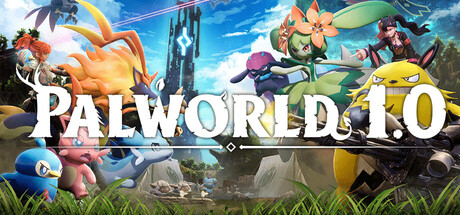
- Recent release year Palworld 2026 · 379,930 reviewsP
Start from a real constraint
How do you want to play?
Lower profile
Find highly rated games below the biggest charts
Review-count and positive-rating signals, with the selection rule shown.
Open this pathPlayer fit
Start from tracked accessibility features
Browse controller, caption and related store signals, then verify the exact support.
Open this pathBudget
Keep the search under $20
Use the tracked price band as a starting point and confirm the current store price.
Open this pathMechanics and mood
Choose a genre, then narrow the field
Move from a focused catalog to individual evidence and similar-game explanations.
Open this pathFacts before adjectives
Current discovery signals
Data-ranked · 100–5,000 reviews · 80%+ positive
Under the radar
Observed store prices · confirm before buying
Tracked discounts
Release-year evidence · not an exact calendar
Recent release years
“Under the radar” is a catalog ranking, not a claim that an IndieList editor played or reviewed the game.
Transparent by construction
A tracked fact, a model estimate and an editorial opinion are not the same thing.
Our methodology records the difference, including source provenance, freshness windows and known gaps.
For developers and researchers
The industry graph has its own wing.
Publisher portfolios, studio relationships and funding stay available without competing with the player’s first task.
About IndieList
IndieList is a player-first discovery site covering 4,100+ evidence-backed independent Steam games. It uses public store observations and clearly labelled catalog rankings to help people find lower-profile, recent and discounted games. A separate research wing maps studios, publishers and sourced funding events. Sales figures are estimates rather than official results, and tracked prices can change after observation.